

Sorbic Acid Uses in Food Preservation: Benefits, Applications and Industry Insights
Pendahuluan
Food preservation is essential for maintaining product quality, ensuring food safety, reducing waste, and extending shelf life. Among the many preservatives available to food manufacturers, sorbic acid remains one of the most effective and widely used solutions for controlling mold and yeast growth.
Food manufacturers around the world use sorbic acid in bakery products, dairy foods, beverages, processed foods, sauces, and other shelf-stable products. Its effectiveness, safety profile, and compatibility with various formulations have made it a preferred preservative in modern food production.
This guide explores the major uses of sorbic acid in food preservation, how it works, its advantages, and why it remains an important ingredient in the food industry.
What Is Sorbic Acid?
Sorbic acid is an organic preservative used to inhibit the growth of molds, yeasts, and certain microorganisms that contribute to food spoilage.
It is commonly supplied as a white crystalline powder and is used globally in food manufacturing due to its proven preservation performance and broad regulatory acceptance.
Food manufacturers often choose sorbic acid because it provides effective microbial control without significantly affecting flavor, aroma, or product appearance.
Why Food Preservation Is Important
Food preservation serves several critical functions.
Extended Shelf Life Sorbic Acid Uses in Food
Preservatives help products remain stable during transportation, storage, and retail distribution.
Reduced Food Waste
Longer shelf life reduces spoilage losses throughout the supply chain.
Product Consistency
Manufacturers can maintain product quality across different markets and distribution channels.
Improved Food Safety
Controlling microbial growth helps support food safety objectives and product integrity.
How Sorbic Acid Works as a Preservative
Sorbic acid works by interfering with the growth and reproduction of microorganisms.
When molds and yeasts encounter sorbic acid, their metabolic activity is disrupted, making it difficult for them to grow and multiply.
This action helps:
- Delay spoilage
- Extend shelf life
- Maintain product quality
- Protect product appearance
Its effectiveness is particularly strong in acidic and moderately acidic food systems.
Benefits of Sorbic Acid in Food Preservation
Effective Mold Control
Sorbic acid is especially effective against molds that commonly affect packaged foods.
Yeast Inhibition
It helps prevent unwanted fermentation and spoilage caused by yeast growth.
Minimal Impact on Taste
At recommended use levels, sorbic acid generally has little effect on product flavor.
Broad Application Range
It can be used across many food categories.
Cost-Effective Preservation
Relatively small inclusion rates can provide significant preservation benefits.
Sorbic Acid in Bakery Products
The bakery industry represents one of the largest applications for sorbic acid.
Products commonly preserved include:
- Bread
- Cakes
- Muffins
- Tortillas
- Pastries
- Sweet baked goods
Why Bakeries Use Sorbic Acid
Bakery products often face mold growth challenges due to moisture content and storage conditions.
Sorbic acid helps:
- Extend shelf life
- Reduce spoilage
- Improve distribution flexibility
- Maintain freshness
For manufacturers distributing products over long distances, effective preservation becomes particularly important.
Sorbic Acid in Dairy Products
Dairy products require careful preservation to maintain quality and safety.
Applications include:
- Cheese
- Yogurt
- Dairy desserts
- Cream-based products
Benefits in Dairy Processing
- Controls mold development
- Improves shelf stability
- Maintains product quality
- Supports food safety programs
Cheese production is one of the most common dairy applications for sorbic acid.
Sorbic Acid in Beverage Manufacturing
Beverage manufacturers use sorbic acid to protect products from microbial spoilage during storage and distribution.
Aplikasi umum meliputi:
- Fruit beverages
- Flavored drinks
- Syrups
- Concentrates
Beverage Preservation Benefits
- Improved shelf life
- Product consistency
- Reduced spoilage risk
- Better inventory management
Sorbic Acid in Processed Foods
Many processed foods benefit from preservative systems that include sorbic acid.
Contohnya meliputi:
- Sauces
- Dressings
- Fruit preparations
- Ready-to-eat foods
- Specialty food products
Maintaining product quality throughout the supply chain is a key objective for food processors.
Sorbic Acid in Confectionery Products
Confectionery manufacturers may use sorbic acid in selected formulations to improve product stability.
Applications include:
- Fruit-based confectionery
- Fillings
- Specialty sweets
Its ability to inhibit mold and yeast growth helps preserve product quality over extended storage periods.
Food Categories That Commonly Use Sorbic Acid
Sorbic acid can be found in a wide variety of food products. Sorbic Acid Uses in Food
Bakery Products
- Bread
- Cakes
- Tortillas
Produk Susu
- Cheese
- Yogurt
- Dairy desserts
Beverages
- Fruit drinks
- Flavored beverages
Processed Foods
- Sauces
- Dressings
- Prepared foods
Specialty Foods
- Fruit products
- Confectionery items
Factors Affecting Sorbic Acid Performance
Several variables influence preservative effectiveness. Sorbic Acid Uses in Food
Product pH
Sorbic acid generally performs best in acidic environments.
Moisture Content
Water activity can affect microbial growth and preservative requirements.
Processing Conditions
Manufacturing procedures may influence preservative performance. Sorbic Acid Uses in Food
Packaging Systems
Proper packaging supports overall preservation effectiveness.
Food manufacturers often evaluate these factors when developing formulations.
Sorbic Acid vs Other Food Preservatives
Food manufacturers can choose from various preservation solutions. Sorbic Acid Uses in Food
Advantages of Sorbic Acid
- Strong mold inhibition
- Effective yeast control
- Broad industry acceptance
- Minimal sensory impact
- Versatile application range
The most suitable preservative depends on the specific product formulation and processing requirements.
Regulatory Considerations
Sorbic acid is widely accepted for food use in many markets when used according to applicable regulations.
Manufacturers should always verify:
- Local regulatory requirements
- Maximum permitted levels
- Product-specific standards
- Labeling requirements
Compliance remains essential for food safety and market access.
How Food Manufacturers Source Sorbic Acid
When selecting suppliers, manufacturers typically evaluate:
Product Quality
Permintaan:
- Sertifikat Analisis (COA)
- Lembar Data Teknis (TDS)
- Lembar Data Keselamatan (SDS)
Regulatory Compliance Sorbic Acid Uses in Food
Verify food-grade suitability and applicable certifications.
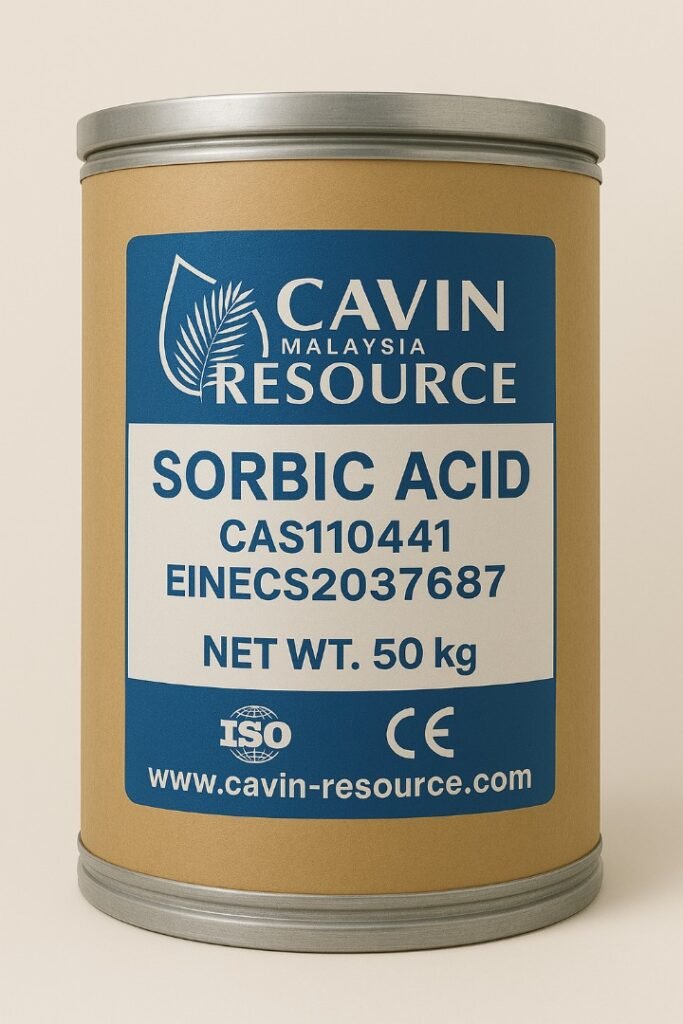
Supply Reliability
Assess:
- Production capacity
- Inventory availability
- Pengalaman ekspor
- Delivery performance
Technical Support
Reliable suppliers often provide formulation and application guidance. Sorbic Acid Uses in Food
Pertanyaan yang Sering Diajukan
What is sorbic acid used for in food?
Sorbic acid is used to prevent the growth of molds and yeasts, helping extend shelf life and maintain product quality. Sorbic Acid Uses in Food
Is sorbic acid a food preservative?
Yes. It is one of the most widely used food preservatives globally.
Which foods commonly contain sorbic acid?
Bakery products, dairy products, beverages, sauces, processed foods, and confectionery products frequently use sorbic acid.
Does sorbic acid affect taste?
When used at recommended levels, it generally has minimal impact on flavor. Sorbic Acid Uses in Food
Why do food manufacturers use sorbic acid?
It provides effective preservation, extends shelf life, reduces spoilage, and supports product consistency. Sorbic Acid Uses in Food
Kesimpulan
Sorbic acid remains one of the most important preservatives in modern food manufacturing. Its ability to inhibit molds and yeasts, extend shelf life, and maintain product quality has made it a valuable ingredient across bakery products, dairy foods, beverages, processed foods, and numerous specialty applications.
As food manufacturers continue seeking effective preservation solutions that support quality and safety objectives, sorbic acid is expected to remain a key component of food preservation systems worldwide. Sorbic Acid Uses in Food
 English
 Français
 Português
 Deutsch (Sie)
 Español
 Türkçe
 简体中文
简体中文 Nederlands
 Svenska
 Tiếng Việt
 Afrikaans
 Čeština
 Bahasa Indonesia
 Irish
Irish Suomi
Suomi עִבְרִית
 Luxembourgish
 Latin
Latin Bahasa Melayu
 فارسی
فارسی Norsk bokmål
 ไทย
ไทย Cymraeg
 Italiano
0 Komentar