

Miotal Mearcair: Airíonna, Úsáidí Tionsclaíocha, Riachtanais Sábháilteachta, agus Cúrsaí Rialála
What Is Mercury Metal?
Mercury Metal , Wholesale Mercury is a naturally occurring metallic element known for being liquid at room temperature. Sometimes referred to as liquid mercury, silver mercury, or elemental mercury, it has historically been used in scientific instruments, industrial processes, electrical equipment, and research applications.
Due to its toxicity and environmental impact, the production, transport, storage, and use of mercury are heavily regulated in many countries.
Key Properties of Mercury
Mercury possesses several unique characteristics that distinguish it from other metals:
- Liquid at standard room temperature
- High density
- Excellent electrical conductivity
- Ability to form amalgams with certain metals
- High coefficient of thermal expansion
These properties contributed to its historical use in thermometers, barometers, switches, relays, and laboratory equipment.
Common Industrial Applications of Mercury
Historically, mercury has been used in:
Scientific Instruments
Mercury was widely used in thermometers, pressure gauges, and laboratory measuring equipment.
Mining Operations
Certain mining processes previously utilized mercury for extracting precious metals. Modern regulations have significantly restricted these applications due to environmental concerns.
Electrical and Electronic Equipment
Mercury-containing switches, relays, and fluorescent lighting products were once common across industrial sectors.
Research and Laboratory Applications
Specialized research institutions may utilize mercury under strict safety and regulatory controls.
Environmental and Health Considerations
Mercury is classified as a hazardous substance. Exposure can occur through inhalation, ingestion, or skin contact.
Potential risks include:
- Iarmhairtí néareolaíocha
- Kidney damage
- Environmental contamination
- Bioaccumulation in aquatic ecosystems
- Long-term public health concerns
For these reasons, mercury handling requires specialized procedures and trained personnel.
International Regulations Governing Mercury
Many countries have adopted strict regulations concerning mercury production, importation, exportation, storage, transportation, and disposal.
Key regulatory frameworks include:
- The Minamata Convention on Mercury
- National environmental protection regulations
- Occupational safety requirements
- Hazardous materials transportation laws
- Chemical storage and waste management standards
Organizations handling mercury must ensure compliance with all applicable local and international regulations.
Safe Storage and Handling Practices
Proper mercury management includes:
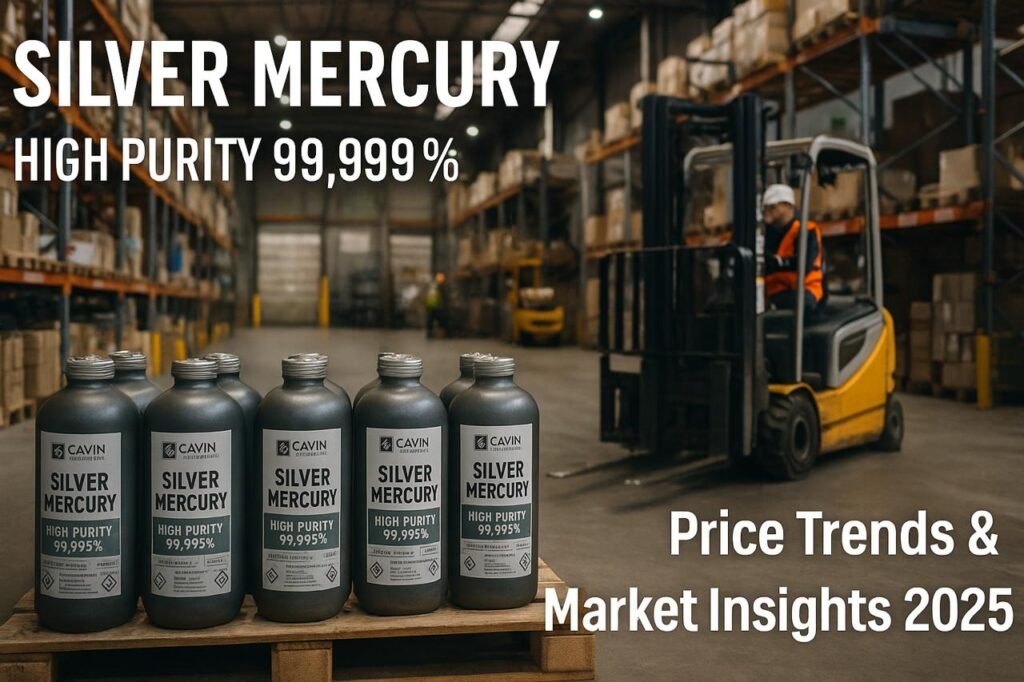
- Using approved containment systems
- Preventing spills and releases
- Maintaining secure storage areas
- Training personnel in hazardous materials handling
- Implementing emergency response procedures
- Following approved disposal and recycling protocols
Safety documentation and compliance records should be maintained at all times. Mercury Metal
Mercury Recycling and Recovery
In some jurisdictions, approved recycling and recovery programs exist to manage mercury-containing equipment and materials. Recycling helps reduce environmental contamination while supporting responsible resource management.
Organizations should only work with licensed hazardous waste management providers. Mercury Metal
Ceisteanna Coitianta
Is mercury hazardous?
Yes. Mercury is a hazardous substance that can pose significant health and environmental risks if improperly handled. Liquid Mercury Price
Is mercury regulated?
Yes. Most countries regulate the manufacture, transport, storage, and disposal of mercury.
Can mercury contaminate the environment?
Yes. Mercury can persist in ecosystems and accumulate in wildlife, particularly aquatic species.
Why are mercury regulations important?
Regulations help protect workers, communities, and the environment from exposure and contamination. Mercury Metal
Conclúid
Mercury remains an important industrial material from a historical and scientific perspective, but its use is subject to strict safety and environmental controls. Organizations handling mercury should prioritize compliance, responsible management practices, and environmental stewardship to minimize risks and ensure regulatory adherence. Mercury Metal
 English
 Français
 Português
 Deutsch (Sie)
 Español
 Türkçe
 简体中文
简体中文 Nederlands
 Svenska
 Tiếng Việt
 Afrikaans
 Čeština
 Bahasa Indonesia
 Irish
Irish Suomi
Suomi עִבְרִית
 Luxembourgish
 Latin
Latin Bahasa Melayu
 فارسی
فارسی Norsk bokmål
 ไทย
ไทย Cymraeg
 Italiano
0 nóta tráchta