

Introduction
mercury handling. Mercury is a unique industrial material used in specialized laboratory, calibration, instrumentation, and research applications. Due to its physical characteristics and regulatory status, organizations handling mercury must establish appropriate procedures for storage, transportation, packaging, inventory management, and workplace safety.
Proper mercury management helps maintain product integrity, reduce operational risks, support regulatory compliance, and improve workplace safety.
This guide explains best practices for mercury handling, storage, packaging, transportation, documentation, and supplier management for industrial and laboratory users.
Understanding Mercury Handling Requirements
Mercury requires specialized handling procedures because it is a liquid metal with unique physical properties.
Organizations working with mercury should establish documented procedures covering:
- Receiving inspections
- Internal transportation
- Storage requirements
- Spill prevention
- Inventory control
- Waste management
- Regulatory compliance
Handling procedures should always align with applicable local, national, and international regulations.
Mercury Receiving and Inspection Procedures
Before accepting a shipment, organizations should inspect:
Packaging Condition
Verify that containers show no signs of:
- Leakage
- Damage
- Corrosion
- Tampering
Documentation
Review all shipment documentation including:
- Certificate of Analysis (COA)
- Technical Data Sheet (TDS)
- Safety Data Sheet (SDS)
- Transportation paperwork
- Compliance declarations
Product Identification
Confirm:
- Product name
- Batch number
- Quantity
- Packaging specifications
- Supplier information
Accurate receiving procedures help maintain traceability throughout the supply chain.
Mercury Storage Requirements
Proper storage is critical for maintaining safety and compliance.
Secure Storage Areas
Mercury should be stored in designated areas with controlled access.
Recommended features include:
- Restricted entry
- Security controls
- Spill containment systems
- Appropriate ventilation
- Emergency response equipment
Approved Containers
Storage containers should be:
- Leak-resistant
- Compatible with mercury
- Properly sealed
- Clearly labeled
Container integrity should be inspected regularly.
Secondary Containment
Secondary containment systems help minimize environmental and operational risks in the event of a leak or spill.
Common containment solutions include:
- Containment trays
- Spill pallets
- Dedicated storage cabinets
- Secondary vessel systems
Environmental Conditions
Storage areas should generally be:
- Cool
- Dry
- Well-ventilated
- Protected from unnecessary physical disturbance
Organizations should follow supplier recommendations and applicable regulations.
Mercury Inventory Management
Inventory control plays an important role in compliance and operational efficiency.
Batch Traceability
Maintain records for:
- Supplier information
- Batch numbers
- Receipt dates
- Usage history
- Storage location
Inventory Audits
Regular audits help verify:
- Quantity accuracy
- Container condition
- Documentation status
- Regulatory compliance
Record Retention
Maintain documentation according to applicable regulatory requirements and company policies.
Internal Mercury Handling Procedures
Personnel handling mercury should follow established workplace procedures.
Authorized Personnel
Access should generally be limited to trained employees.
Container Movement
When moving mercury containers:
- Use approved handling equipment
- Avoid unnecessary transfers
- Prevent impact damage
- Maintain container stability
Workplace Controls
Organizations should establish procedures covering:
- Handling practices
- Inspection schedules
- Emergency response
- Incident reporting
Mercury Packaging Requirements
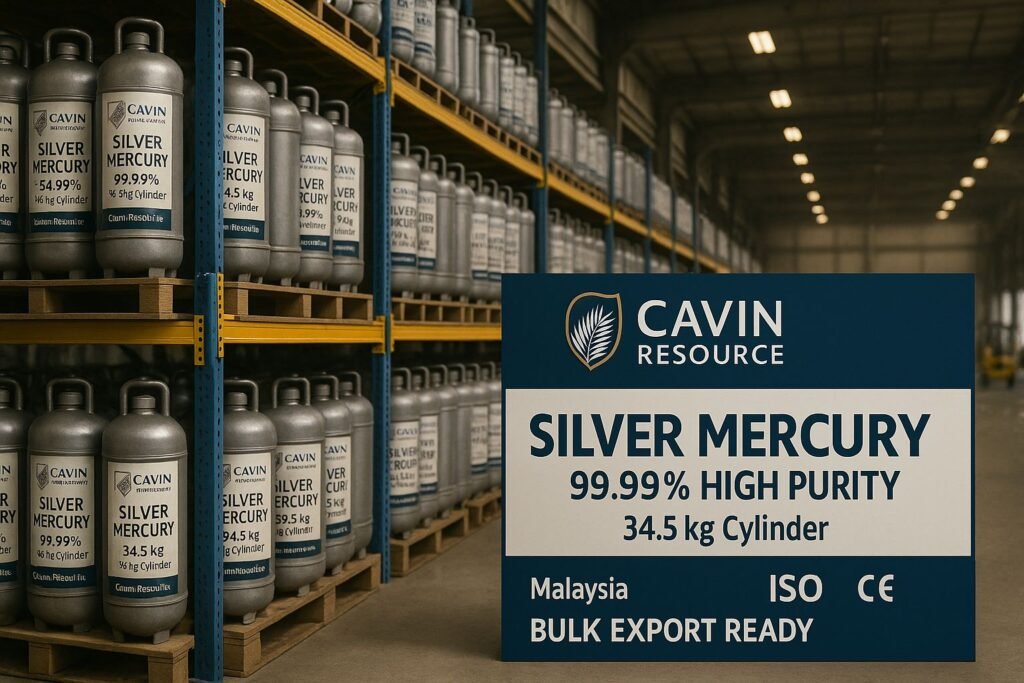
Packaging plays a critical role in maintaining product integrity throughout transportation and storage.
Primary Packaging
Primary containers should provide:
- Leak resistance
- Chemical compatibility
- Secure closure systems
Secondary Packaging
Secondary packaging may include:
- Protective outer containers
- Impact protection systems
- Containment materials
- Transportation protection measures
Labeling Requirements
Packaging should include appropriate:
- Product identification
- Hazard communication labels
- Batch information
- Traceability markings
Applicable labeling requirements vary by jurisdiction.
Mercury Transportation Considerations
Transportation of mercury requires careful planning and compliance management.
Regulatory Classification
Mercury transportation is often subject to hazardous materials regulations.
Requirements may include:
- Approved packaging
- Transportation documentation
- Carrier qualifications
- Hazard communication standards
Domestic Transportation
Domestic shipments may require compliance with national transportation regulations.
International Transportation
International shipments may involve:
- Export controls
- Import permits
- Customs documentation
- Hazardous goods requirements
Organizations should verify applicable requirements before shipment.
Mercury Export Documentation
International shipments frequently require comprehensive documentation.
Common requirements include:
Commercial Documentation
- Commercial invoices
- Packing lists
- Product specifications
Quality Documentation
- COA
- TDS
- SDS
Regulatory Documentation
- Export declarations
- Compliance certificates
- Transportation approvals
Documentation requirements vary by destination country.
Spill Prevention and Emergency Planning
Organizations should maintain procedures for responding to incidents involving mercury.
Spill Prevention Measures
Recommended practices include:
- Regular inspections
- Secure storage systems
- Employee training
- Secondary containment
Emergency Preparedness
Response plans may include:
- Incident reporting procedures
- Emergency contact information
- Isolation procedures
- Cleanup protocols
Organizations should follow applicable regulations and internal safety procedures.
Mercury Supplier Evaluation
Reliable suppliers contribute significantly to safe mercury management.
Quality Assurance
Evaluate supplier capabilities including:
- Product testing
- Quality documentation
- Batch traceability
Regulatory Knowledge
Experienced suppliers can assist with:
- Documentation requirements
- Transportation compliance
- Export procedures
Packaging Standards
Review packaging systems and transportation experience before approving suppliers.
Compliance Considerations
Organizations handling mercury should regularly review:
Workplace Requirements
- Employee training
- Documentation management
- Inspection programs
Transportation Requirements
- Packaging standards
- Carrier qualifications
- Shipping documentation
Environmental Requirements
- Storage controls
- Waste management procedures
- Reporting obligations
Regulatory requirements differ between jurisdictions and should be reviewed periodically.
Frequently Asked Questions
What is the most important consideration when storing mercury?
Secure storage, approved containers, secondary containment, and compliance with applicable regulations are critical factors.
Why is secondary containment recommended?
Secondary containment helps reduce environmental and operational risks in the event of a leak or spill.
What documentation should accompany mercury shipments?
Organizations commonly require a COA, TDS, SDS, transportation paperwork, and applicable compliance documentation.
How should organizations evaluate mercury suppliers?
Review product quality, packaging standards, documentation capabilities, regulatory expertise, and supply reliability.
Why are transportation requirements important?
Mercury shipments are often subject to hazardous material regulations that govern packaging, documentation, and transportation procedures.
Conclusion
Effective mercury handling, storage, and transportation programs support workplace safety, product integrity, regulatory compliance, and operational efficiency. Organizations using mercury should establish comprehensive procedures covering receiving, storage, packaging, inventory management, transportation, documentation, and supplier evaluation.
By implementing strong management practices and working with qualified suppliers, industrial users and laboratories can support safe and compliant mercury operations throughout the supply chain.
 English
 Français
 Português
 Deutsch (Sie)
 Español
 Türkçe
 简体中文
简体中文 Nederlands
 Svenska
 Tiếng Việt
 Afrikaans
 Čeština
 Bahasa Indonesia
 Irish
Irish Suomi
Suomi עִבְרִית
 Luxembourgish
 Latin
Latin Bahasa Melayu
 فارسی
فارسی Norsk bokmål
 ไทย
ไทย Cymraeg
0 Comments