

Vysoce čistá rtuť: Specifikace, zkušební metody a průmyslové použití
High purity mercury is a specialized industrial and laboratory material used in applications requiring precise physical properties, consistent performance, and controlled impurity levels. Industries such as scientific research, calibration, instrumentation, analytical laboratories, and specialized manufacturing rely on high-purity mercury for applications where accuracy and reliability are critical.
Because mercury is a regulated material with strict handling and quality requirements, buyers must carefully evaluate purity grades, testing methods, documentation, and supplier capabilities before procurement.
This guide explains high purity mercury specifications, common testing methods, industrial applications, quality standards, packaging considerations, and key procurement factors for industrial and laboratory buyers.
What Is High Purity Mercury?
High purity mercury refers to elemental mercury that has been refined to remove impurities and meet strict quality specifications for industrial, scientific, or laboratory use.
Compared with technical-grade mercury, high-purity grades offer:
- Lower trace metal content
- Improved consistency
- Better performance in precision applications
- Enhanced suitability for analytical and calibration systems
High purity mercury is commonly supplied for:
- Laboratory applications
- Calibration equipment
- Scientific research
- Precision instrumentation
- Specialized industrial processes
Why Purity Matters in Mercury Applications
Impurities in mercury can affect:
- Measurement accuracy
- Calibration reliability
- Electrical performance
- Chemical behavior
- Instrument stability
- Research results
For applications involving precision measurement or analytical work, even small contaminant levels may influence performance. As a result, laboratories and industrial users often require mercury that meets documented high-purity specifications.
Common High Purity Mercury Grades
Mercury is often categorized by purity level and intended application.
Industrial Grade Mercury
Suitable for selected industrial applications where ultra-low impurity levels are not critical.
High Purity Mercury
Used in applications requiring tighter impurity control and documented analytical results.
Laboratory Grade Mercury
Designed for scientific research, testing, and analytical applications with stringent quality requirements.
Calibration Grade Mercury
Used in precision calibration systems and measurement equipment where consistency and traceability are essential.
Typical High Purity Mercury Specifications
Specifications may vary by supplier and application, but common parameters include:
| Parameter | Typical Requirement |
|---|---|
| Vzhled | Silver liquid metal |
| Purity | High purity grade |
| Hustota | 13.53 g/cm³ |
| Moisture | Controlled within specification |
| Trace Metals | Controlled to low levels |
| Obalový materiál | Approved sealed containers |
| Dokumentace | COA, TDS, SDS |
Buyers should always confirm the exact specification required for their application.
Mercury Purity Testing Methods
Testing methods help verify product quality and compliance with specification requirements.
1. Atomic Absorption Spectroscopy (AAS)
AAS is commonly used to measure mercury concentration and detect trace impurities with high sensitivity.
2. Inductively Coupled Plasma Mass Spectrometry (ICP-MS)
ICP-MS provides highly accurate analysis of trace metal impurities and is widely used in laboratory quality control.
3. Inductively Coupled Plasma Optical Emission Spectroscopy (ICP-OES)
ICP-OES is used for multi-element analysis and impurity determination in industrial and laboratory settings.
4. Gravimetric and Density Testing
Physical property testing, including density verification, helps confirm product consistency and identity.
5. Visual and Contamination Inspection
Suppliers and users often perform visual inspection to ensure mercury is free from visible contamination, foreign particles, or discoloration.
Quality Documentation Buyers Should Request
Professional industrial buyers typically request comprehensive documentation before approving a supplier.
Certifikát analýzy
Confirms batch-specific analytical results, including purity and impurity levels.
Technický list (TDS)
Provides technical specifications, physical properties, and application information.
Bezpečnostní list
Includes handling, storage, transportation, and safety guidance.
Compliance Documentation
May include:
- Regulatory declarations
- Export documentation
- Transportation certifications
- Traceability records
Industrial Uses of High Purity Mercury
Laboratory Calibration Systems
High purity mercury is widely used in calibration equipment where precise physical properties are essential for accurate measurements.
Scientific Research
Research institutions may use high-purity mercury in controlled experiments, analytical procedures, and specialized scientific studies.
Precision Measurement Instruments
Mercury’s predictable thermal expansion and density characteristics make it useful in selected precision measurement systems.
Analytical Laboratories
Laboratories may require high-purity mercury for:
- Reference standards
- Analytical testing
- Instrument calibration
- Quality control procedures
Specialized Industrial Processes
Certain industrial applications may require high-purity mercury for controlled manufacturing or instrumentation systems where permitted by regulation.
Packaging and Transportation Requirements
Because mercury is a hazardous material, packaging and transportation must comply with applicable regulations.
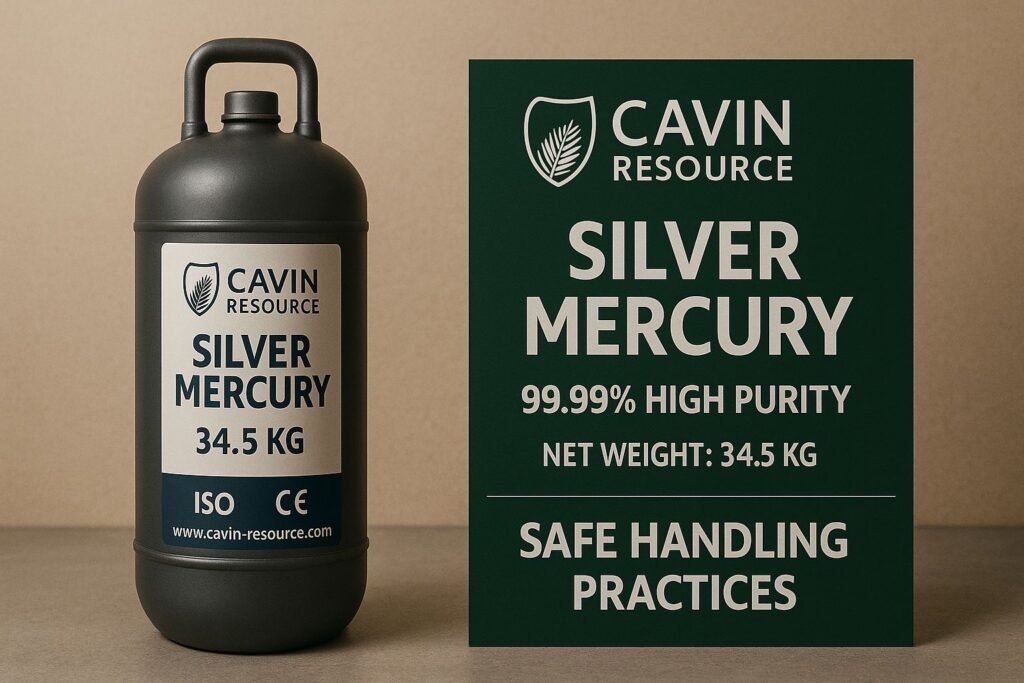
Common Packaging Features
- Sealed, leak-resistant containers
- Corrosion-resistant packaging
- Secure secondary containment
- Hazard labeling
- Značení pro zajištění sledovatelnosti
Dopravní hlediska
Shipments may require compliance with:
- UN transportation regulations
- ADR/RID requirements
- IMDG maritime rules
- IATA air transport regulations
- National hazardous materials regulations
Buyers should confirm that suppliers have experience handling regulated hazardous shipments.
Storage and Handling Best Practices
be stored and handled under controlled conditions.
Recommended Practices
- Store in approved sealed containers
- Use secondary containment systems
- Maintain secure, ventilated storage areas
- Prevent spills and leaks
- Limit access to trained personnel
- Follow applicable regulatory requirements
Organizations should maintain written procedures for handling, spill response, and waste management.
How Industrial Buyers Evaluate High Purity Mercury Suppliers
A structured supplier evaluation process helps reduce procurement risk.
Key Evaluation Criteria
- Purity VerificationConfirm analytical testing methods and impurity limits.
- Quality DocumentationReview COA, TDS, SDS, and compliance records.
- Regulatory ExpertiseEnsure the supplier understands transportation, export, and hazardous material requirements.
- Supply ReliabilityEvaluate inventory availability, lead times, and logistics capabilities.
- Technical SupportSuppliers with strong technical knowledge can assist with specification matching and application guidance.
Factors That Affect High Purity Mercury Pricing
Industrial mercury pricing is influenced by:
- Purity level
- Analytical certification requirements
- Packaging type
- Regulatory compliance costs
- Transportation requirements
- Global supply conditions
- Export restrictions
- Objem objednávek
Higher-purity grades with extensive documentation and specialized packaging typically command premium pricing.
Často kladené otázky
What is high purity mercury used for?
High purity mercury is used in laboratory calibration, scientific research, precision measurement systems, analytical laboratories, and selected industrial applications.
How is mercury purity tested?
Common testing methods include AAS, ICP-MS, ICP-OES, density testing, and visual contamination inspection.
What documents should suppliers provide?
Buyers typically request a COA, TDS, SDS, and applicable regulatory or transportation documentation.
Why is high purity mercury important for calibration?
Calibration systems require highly consistent physical properties, and impurities can affect measurement accuracy and reliability.
What should buyers consider when selecting a supplier?
Key factors include purity verification, documentation quality, regulatory expertise, supply reliability, and technical support.
Závěr
High purity mercury is a specialized material used in demanding industrial and laboratory applications where precision, consistency, and documented quality are essential. Understanding purity grades, testing methods, specifications, packaging requirements, and supplier evaluation criteria helps procurement teams and technical buyers make informed sourcing decisions.
For laboratories, calibration facilities, and industrial users, selecting a qualified supplier with strong quality control, regulatory expertise, and reliable documentation is critical to ensuring product performance, compliance, and operational reliability.
 English
 Français
 Português
 Deutsch (Sie)
 Español
 Türkçe
 简体中文
简体中文 Nederlands
 Svenska
 Tiếng Việt
 Afrikaans
 Čeština
 Bahasa Indonesia
 Irish
Irish Suomi
Suomi עִבְרִית
 Luxembourgish
 Latin
Latin Bahasa Melayu
 فارسی
فارسی Norsk bokmål
 ไทย
ไทย Cymraeg
 Italiano
0 komentáøù