

Hero Introduction
Calcium Hypochlorite vs Sodium Hypochlorite When selecting a chlorine-based disinfectant, one of the most common questions procurement professionals and water treatment specialists ask is whether calcium hypochlorite or sodium hypochlorite is the better choice.
Both chemicals are widely used for water disinfection, sanitation, and industrial applications. They are effective oxidizing agents capable of eliminating bacteria, viruses, algae, and other microorganisms. However, they differ significantly in physical form, available chlorine concentration, storage requirements, transportation, dosing methods, and typical applications.
Choosing the right disinfectant depends on several factors, including your treatment process, storage capabilities, dosing equipment, operational costs, and regulatory requirements.
In this guide, we compare calcium hypochlorite and sodium hypochlorite side by side to help procurement managers, engineers, facility operators, and distributors make informed purchasing decisions.
Quick Answer
Both calcium hypochlorite and sodium hypochlorite are effective chlorine-based disinfectants, but they are designed for different operational needs.
Calcium hypochlorite is a solid chemical with a higher available chlorine content and longer shelf life, making it suitable for applications where long-term storage and transportation are important.
Sodium hypochlorite is a liquid disinfectant that is commonly used in municipal water treatment, wastewater treatment, food processing, healthcare facilities, and industrial sanitation because it can be easily dosed through automated systems.
The best choice depends on your application, infrastructure, and operational requirements rather than one product being universally superior.
Table of Contents
- What Is Calcium Hypochlorite?
- What Is Sodium Hypochlorite?
- Key Differences Between the Two Chemicals
- Side-by-Side Comparison Table
- Advantages of Calcium Hypochlorite
- Advantages of Sodium Hypochlorite
- Which Is Better for Water Treatment?
- Storage and Handling Considerations
- Procurement Checklist
- Frequently Asked Questions
What Is Calcium Hypochlorite?
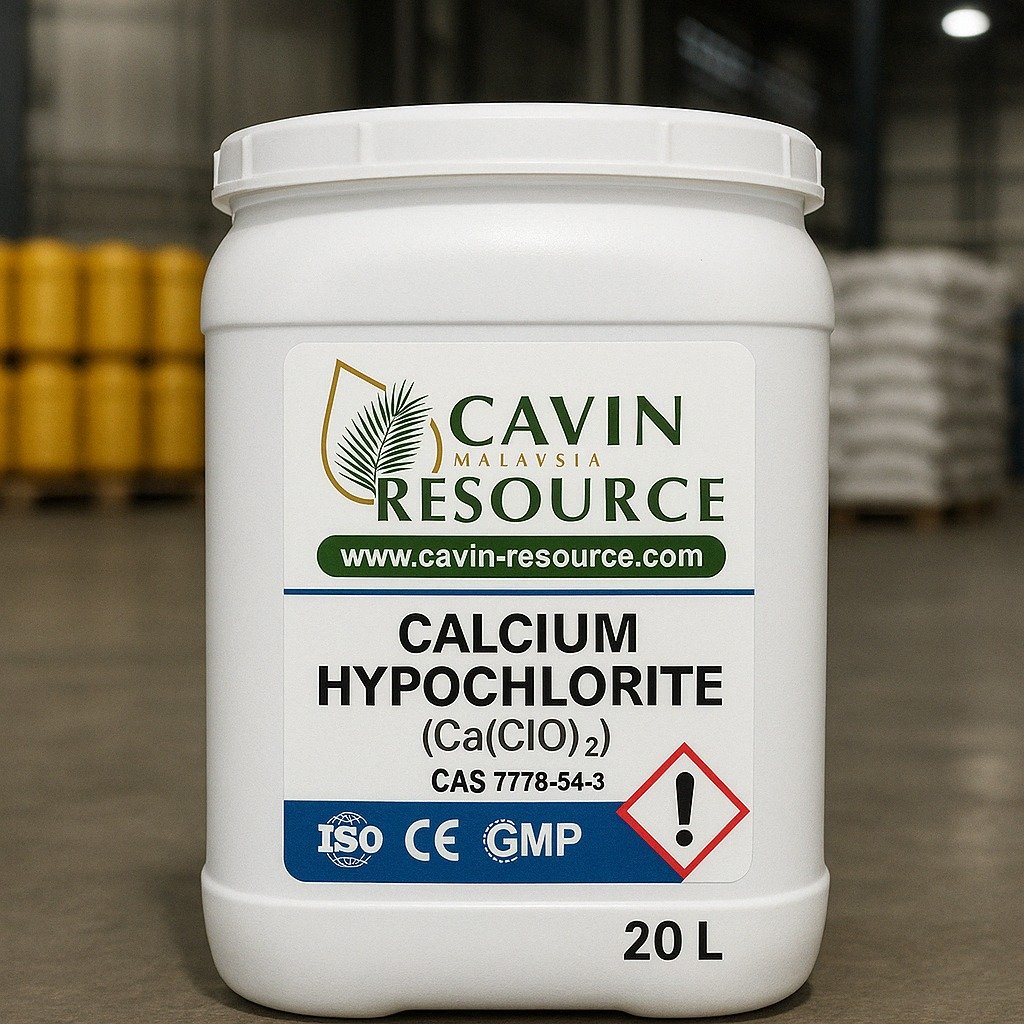
Calcium hypochlorite (Ca(OCl)₂) is a solid chlorine compound widely used as a disinfectant and oxidizing agent. It is commonly supplied as granules, tablets, or powder and is valued for its relatively high available chlorine content.
Because it is supplied in solid form, calcium hypochlorite is generally easier to transport and can offer a longer shelf life when stored under suitable conditions. These characteristics make it a practical option for applications where liquid chemical handling is less convenient or long-term storage is required.
Typical applications include:
- Drinking water disinfection
- Swimming pool sanitation
- Emergency water treatment
- Industrial sanitation
- Wastewater treatment
- Municipal water systems
What Is Sodium Hypochlorite?
Sodium hypochlorite (NaOCl) is a liquid chlorine-based disinfectant commonly used in water treatment and industrial sanitation. It is often supplied as an aqueous solution with concentrations suited to commercial and industrial applications.
One of its primary advantages is compatibility with automated dosing systems, allowing operators to introduce precise amounts of disinfectant into treatment processes. This makes sodium hypochlorite a preferred choice for facilities that require continuous and controlled chlorination. bulk sodium hypochlorite
Common applications include:
- Municipal drinking water treatment
- Wastewater treatment plants
- Industrial process water
- Food and beverage sanitation
- Healthcare facility disinfection
- Cooling water systems
- Manufacturing facilities
For organizations requiring a dependable liquid chlorine solution, selecting a trusted Sodium Hypochlorite Supplier is essential to ensure consistent product quality, technical documentation, and reliable supply.
Cavin Resources Insight
While both chemicals are effective disinfectants, procurement decisions should focus on operational requirements rather than chlorine concentration alone.
Facilities equipped with automated dosing systems often prefer sodium hypochlorite because it integrates easily into continuous treatment processes. Organizations that require a portable, longer-storing disinfectant may find calcium hypochlorite more suitable.
Evaluating application requirements, storage conditions, logistics, and total operating costs helps buyers select the most appropriate chlorine solution for their specific needs.
Technical Snapshot
| Property | Calcium Hypochlorite | Sodium Hypochlorite |
|---|---|---|
| Chemical Formula | Ca(OCl)₂ | NaOCl |
| Physical Form | Solid (granules, powder, tablets) | Liquid solution |
| Available Chlorine | Generally higher | Lower than calcium hypochlorite |
| Storage | Dry, cool, well-ventilated area | Cool, shaded storage to reduce degradation |
| Typical Use | Pools, emergency water treatment, potable water | Municipal water treatment, wastewater, industrial sanitation |
| Dosing | Dissolved before use or applied through suitable systems | Easily metered through automated dosing equipment |
Why This Comparison Matters
Selecting between calcium hypochlorite and sodium hypochlorite is not simply a matter of choosing the strongest disinfectant. The decision affects storage, transportation, dosing efficiency, maintenance, and long-term operating costs.
For procurement teams, understanding these differences helps ensure the selected chemical aligns with operational objectives, regulatory requirements, and overall treatment performance.
Calcium Hypochlorite vs Sodium Hypochlorite — Key Differences, Applications & Procurement Considerations
Key Differences Between Calcium Hypochlorite and Sodium Hypochlorite
Although calcium hypochlorite and sodium hypochlorite belong to the same family of chlorine-based disinfectants, their physical properties and operational characteristics make them suitable for different applications.
The correct choice depends on factors such as:
- Required chlorine concentration
- Treatment system design
- Storage conditions
- Transportation requirements
- Chemical dosing equipment
- Operating costs
- Safety procedures
- Frequency of chemical supply
Understanding these differences allows purchasing teams and water treatment professionals to select the most appropriate disinfectant solution.
Calcium Hypochlorite vs Sodium Hypochlorite Comparison Table
| Feature | Calcium Hypochlorite | Sodium Hypochlorite |
|---|---|---|
| Chemical Formula | Ca(OCl)₂ | NaOCl |
| Physical State | Solid | Liquid |
| Common Form | Granules, powder, tablets | Liquid solution |
| Chlorine Content | Higher available chlorine | Lower available chlorine concentration |
| Storage Life | Generally longer when properly stored | Shorter due to solution degradation |
| Transportation | Easier for long-distance shipping | Requires liquid handling systems |
| Dosing Method | Manual or dissolved dosing systems | Automated liquid dosing systems |
| Best For | Remote applications, pools, emergency treatment | Continuous water treatment operations |
| Storage Requirements | Dry chemical storage | Temperature-controlled liquid storage preferred |
| Handling | Requires dissolution before application | Ready-to-use liquid solution |
Calcium Hypochlorite Advantages
1. Higher Available Chlorine Concentration
One of the major advantages of calcium hypochlorite is its high available chlorine content.
This means a smaller quantity of product can provide significant disinfecting power, which may benefit operations where transportation space and storage volume are limited.
For applications requiring concentrated chlorine delivery, calcium hypochlorite remains a popular choice.
2. Longer Storage Stability
When stored correctly in a dry, cool, and ventilated environment, calcium hypochlorite generally maintains stability better than liquid chlorine solutions.
This makes it suitable for:
- Emergency water treatment supplies
- Remote locations
- Seasonal operations
- Facilities with limited chemical deliveries
3. Easier Transportation
Because calcium hypochlorite is supplied as a solid, it can often be transported more efficiently than liquid chemicals.
Advantages include:
- Reduced liquid handling requirements
- Lower risk of leakage during transport
- Easier storage management
- Suitable for locations without chemical pumping infrastructure
4. Suitable for Smaller Treatment Systems
Small and medium-scale operations often prefer calcium hypochlorite because it does not always require sophisticated chemical dosing systems.
Common users include:
- Swimming pools
- Hotels
- Small water systems
- Agricultural operations
- Emergency response organizations
Sodium Hypochlorite Advantages
1. Ideal for Automated Dosing Systems
Sodium hypochlorite is widely used in professional water treatment because it can be easily integrated with automated chemical dosing equipment.
This allows operators to maintain controlled chlorine levels and improve treatment consistency.
Applications include:
- Municipal water treatment plants
- Wastewater facilities
- Industrial water systems
- Manufacturing operations
2. Ready-to-Use Liquid Solution
Unlike solid chlorine products that require dissolution, sodium hypochlorite is supplied as a liquid solution that can be directly transferred and dosed.
This simplifies:
- Chemical handling
- Dosing operations
- Process automation
- Operator workflow
For organizations requiring reliable liquid chlorine supply, working with an experienced Sodium Hypochlorite Supplier helps ensure consistent product availability and technical support.
3. Reduced Equipment Complexity
Many industrial facilities already have liquid chemical storage tanks and metering pumps.
In these environments, sodium hypochlorite can provide an efficient solution because it works well with existing infrastructure.
4. Suitable for Large-Scale Water Treatment
Sodium hypochlorite is commonly selected for large continuous operations because treatment facilities can automate chemical injection based on water quality requirements.
Industries using sodium hypochlorite include:
- Municipal water treatment
- Wastewater processing
- Food production
- Beverage manufacturing
- Pharmaceutical facilities
- Industrial sanitation
Which Is Better for Water Treatment?
There is no universal winner between calcium hypochlorite and sodium hypochlorite.
The better choice depends on the operational environment.
Choose Calcium Hypochlorite When:
- Long-term storage is important
- Transportation distance is significant
- Solid chemical handling is preferred
- The facility has limited liquid chemical infrastructure
- Emergency water treatment capability is required
Choose Sodium Hypochlorite When:
- Continuous dosing is required
- Automated chemical systems are available
- Large volumes of water require treatment
- Operators need a ready-to-use liquid disinfectant
- Consistent dosing accuracy is important
Industrial Applications Comparison
Municipal Water Treatment
Municipal facilities commonly require reliable, continuous disinfection.
Sodium hypochlorite is often preferred because:
- It integrates with automated dosing systems
- Operators can adjust chlorine levels easily
- Large volumes can be treated continuously
Wastewater Treatment
Wastewater facilities use chlorine-based disinfectants to reduce harmful microorganisms before water discharge or reuse.
Sodium hypochlorite is frequently selected because of its compatibility with industrial dosing equipment.
Swimming Pool Treatment
Both chemicals are widely used in swimming pool sanitation.
Calcium hypochlorite is often preferred for:
- Higher chlorine concentration
- Storage convenience
- Smaller operations
Sodium hypochlorite may be preferred for:
- Commercial pools
- Automated dosing systems
- Large aquatic facilities
Industrial Manufacturing
Industries requiring process water treatment or sanitation often choose sodium hypochlorite due to its compatibility with automated chemical management systems.
Applications include:
- Food processing
- Beverage production
- Cooling water systems
- Manufacturing facilities
Storage and Handling Considerations
Proper storage plays an important role in maintaining chemical effectiveness.
Calcium Hypochlorite Storage
Recommended practices include:
- Store in a dry environment
- Avoid moisture exposure
- Keep away from incompatible materials
- Maintain proper ventilation
- Follow local chemical storage regulations
Sodium Hypochlorite Storage
Important considerations include:
- Store away from direct sunlight
- Avoid excessive temperatures
- Use compatible storage tanks
- Monitor solution age
- Maintain proper ventilation
Sodium hypochlorite solutions naturally lose strength over time, especially under unfavorable storage conditions.
Procurement Checklist: Choosing the Right Chlorine Supplier
Before purchasing chlorine-based disinfectants, buyers should evaluate:
Product Quality
☐ Confirm chlorine concentration
☐ Request Certificate of Analysis (COA)
☐ Review product specifications
☐ Confirm batch consistency
Supplier Capability
☐ Verify supply capacity
☐ Confirm delivery timelines
☐ Review packaging options
☐ Evaluate export experience
Technical Support
☐ Safety Data Sheet available
☐ Storage guidance provided
☐ Handling recommendations available
☐ Documentation support provided
Commercial Requirements
☐ Confirm order quantity
☐ Review shipping terms
☐ Verify payment conditions
☐ Establish communication process
Cavin Resources Insight
Selecting the correct disinfectant is a balance between chemistry, infrastructure, and operational requirements.
While calcium hypochlorite offers advantages in concentration and storage flexibility, sodium hypochlorite remains a preferred solution for many industrial and municipal operations because of its compatibility with automated treatment systems.
Cavin Resources supports businesses looking for dependable water treatment chemicals by helping buyers evaluate product requirements, supply options, documentation needs, and procurement considerations.
For companies seeking bulk sodium hypochlorite supply, selecting a supplier with consistent quality, technical documentation, and reliable logistics support is essential for maintaining uninterrupted treatment operations.
Chapter 3: Frequently Asked Questions, Buyer Guide & Selecting a Sodium Hypochlorite Supplier
Frequently Asked Questions: Calcium Hypochlorite vs Sodium Hypochlorite
1. What is the difference between calcium hypochlorite and sodium hypochlorite?
The main difference between calcium hypochlorite and sodium hypochlorite is their physical form, chlorine concentration, and application method.
Calcium hypochlorite is a solid chlorine compound commonly supplied as granules, powder, or tablets. It typically contains a higher percentage of available chlorine and is often selected where storage stability and concentrated chlorine delivery are important.
Sodium hypochlorite is a liquid chlorine solution commonly used in municipal water treatment, wastewater treatment, and industrial sanitation because it can be easily injected through automated dosing systems. Buy Sodium Hypochlorite
2. Is sodium hypochlorite better than calcium hypochlorite?
Neither chemical is universally better. The correct choice depends on the application.
Sodium hypochlorite is often preferred for:
- Large-scale water treatment
- Continuous dosing systems
- Industrial sanitation
- Municipal water operations
Calcium hypochlorite may be preferred for:
- Emergency water treatment
- Smaller facilities
- Remote locations
- Applications requiring longer storage
3. Which chemical has more available chlorine?
Calcium hypochlorite generally contains a higher available chlorine percentage compared with sodium hypochlorite solutions.
However, the effectiveness of a disinfectant depends not only on chlorine concentration but also on:
- Application method
- Contact time
- Water chemistry
- Dosing accuracy
- Treatment objectives
4. Is sodium hypochlorite used for drinking water treatment?
Yes. Sodium hypochlorite is widely used for drinking water disinfection because it provides an effective chlorine source that can be accurately dosed into treatment systems.
Water treatment operators commonly use sodium hypochlorite to control microorganisms and maintain appropriate residual chlorine levels. Calcium Hypochlorite Supplier
5. Can sodium hypochlorite be used in wastewater treatment?
Yes. Sodium hypochlorite is commonly used in wastewater treatment facilities for disinfection before water discharge or reuse.
Its liquid form makes it suitable for automated dosing systems used in industrial and municipal facilities.
6. Which is easier to transport: calcium hypochlorite or sodium hypochlorite?
Calcium hypochlorite is generally easier to transport over long distances because it is supplied as a solid product.
Sodium hypochlorite requires liquid chemical handling, suitable containers, and storage conditions that help maintain product stability.
7. How long does sodium hypochlorite last in storage?
The stability of sodium hypochlorite depends on factors including:
- Storage temperature
- Exposure to sunlight
- Solution concentration
- Storage container material
- Storage duration
Proper storage practices help minimize product degradation.
8. What industries use sodium hypochlorite?
Sodium hypochlorite is used across many industries, including:
- Water treatment
- Wastewater treatment
- Food processing
- Beverage manufacturing
- Healthcare sanitation
- Industrial cleaning
- Manufacturing facilities
9. What should I consider when buying sodium hypochlorite in bulk?
Commercial buyers should evaluate:
- Product concentration
- Supplier reliability
- Certificate of Analysis availability
- Safety Data Sheet availability
- Packaging options
- Delivery capability
- Storage requirements
10. How do I choose a sodium hypochlorite supplier?
A reliable sodium hypochlorite supplier should provide:
- Consistent product quality
- Technical documentation
- Commercial support
- Reliable delivery
- Clear communication
- Appropriate packaging solutions
Supplier selection should consider long-term reliability rather than price alone.
Procurement Guide: Questions to Ask Before Buying
Before purchasing chlorine disinfectants, procurement teams should ask:
Product Questions
✓ What is the chlorine concentration?
✓ Is a Certificate of Analysis available?
✓ What packaging options are offered?
✓ Is the product suitable for my application?
Supplier Questions
✓ Can the supplier support recurring orders?
✓ Does the supplier provide technical documents?
✓ Can they support international shipments?
✓ Do they understand water treatment requirements?
Logistics Questions
✓ What are the delivery timelines?
✓ What storage requirements apply?
✓ What shipping methods are available?
✓ Are export documents provided?
World Health Organization (WHO)
Recommended use:
Support claims about drinking water disinfection and public health water treatment.
U.S. Environmental Protection Agency (EPA)
Recommended use:
Support water treatment regulations and chlorine disinfection guidance.
Centers for Disease Control and Prevention (CDC)
Recommended use:
Support information about water sanitation and microbial control.
PubChem
https://pubchem.ncbi.nlm.nih.gov
Recommended use:
Support chemical properties:
- Sodium hypochlorite formula
- Calcium hypochlorite formula
- Chemical identifiers
Need Reliable Sodium Hypochlorite Supply?
Choosing the right chlorine disinfectant is an important decision for water treatment operations, industrial facilities, and commercial buyers.
Cavin Resources provides support for businesses seeking dependable sodium hypochlorite supply with:
- Bulk purchasing solutions
- Product documentation
- Commercial quotations
- Technical information
- Supply coordination
Whether you operate a water treatment facility, manufacturing plant, or distribution business, our team can help you identify the right chemical solution for your requirements.
Explore our Sodium Hypochlorite product page or contact Cavin Resources for a bulk supply quotation.
Conclusion
The choice between calcium hypochlorite vs sodium hypochlorite depends on operational requirements rather than one product being better in every situation.
Calcium hypochlorite provides advantages in solid handling, storage flexibility, and concentrated chlorine delivery.
Sodium hypochlorite provides advantages in automated dosing, continuous treatment operations, and large-scale industrial applications.
For organizations requiring dependable chlorine-based water treatment solutions, selecting the right supplier is just as important as selecting the right chemical.
A reliable sodium hypochlorite supplier helps ensure consistent quality, proper documentation, efficient logistics, and long-term procurement confidence.
Cavin Resources supports industrial and commercial buyers with chemical sourcing solutions designed around quality, reliability, and customer requirements.
 English
 Français
 Português
 Deutsch (Sie)
 Español
 Türkçe
 简体中文
简体中文 Nederlands
 Svenska
 Tiếng Việt
 Afrikaans
 Čeština
 Bahasa Indonesia
 Irish
Irish Suomi
Suomi עִבְרִית
 Luxembourgish
 Latin
Latin Bahasa Melayu
 فارسی
فارسی Norsk bokmål
 ไทย
ไทย Cymraeg
 Italiano
0 Comments